

Birth Education vs Doula Support: Which Do You Need on the Central Coast?
When you're preparing for birth on the Central Coast, you'll quickly discover there are many different types of support available from hospital-based classes to private birth educators to doulas. It can feel overwhelming trying to work out what you actually need.
As someone who has provided both birth education and doula support for the past 10 years on the Central Coast, I'm often asked: "What's the difference, and which one should I choose and do I really need both?"
The short answer? They're different services that serve different purposes, and ideally, you'd benefit from both. But if you need to prioritise, let me help you understand what each offers so you can make the best decision for your family.
What is Birth Education?
Birth education is about knowledge and skill-building before labour begins. Think of it as your comprehensive preparation course- it's where you learn what to expect during pregnancy, labour, birth, and the early postpartum period, and where you practice practical coping skills with your partner. Independent birth classes on the Central Coast can give parents practical tools and a clearer understanding of how labour unfolds.
What you learn in quality birth education classes:
The physiology of labour (what's happening in your body and why)
Stages of labour and what to expect in each
Pain management options—both medical and non-medical
Optimal positioning and movement during labour
How your birth partner can actively support you
Making informed decisions about interventions
Breastfeeding basics
Newborn care essentials
Recognizing when labour is starting
Creating preferences for your birth
Birth education typically happens over several weeks, either in group classes or privately, during your second or third trimester. It's educational—you're learning information and practicing techniques before you need them.
What is Doula Support?
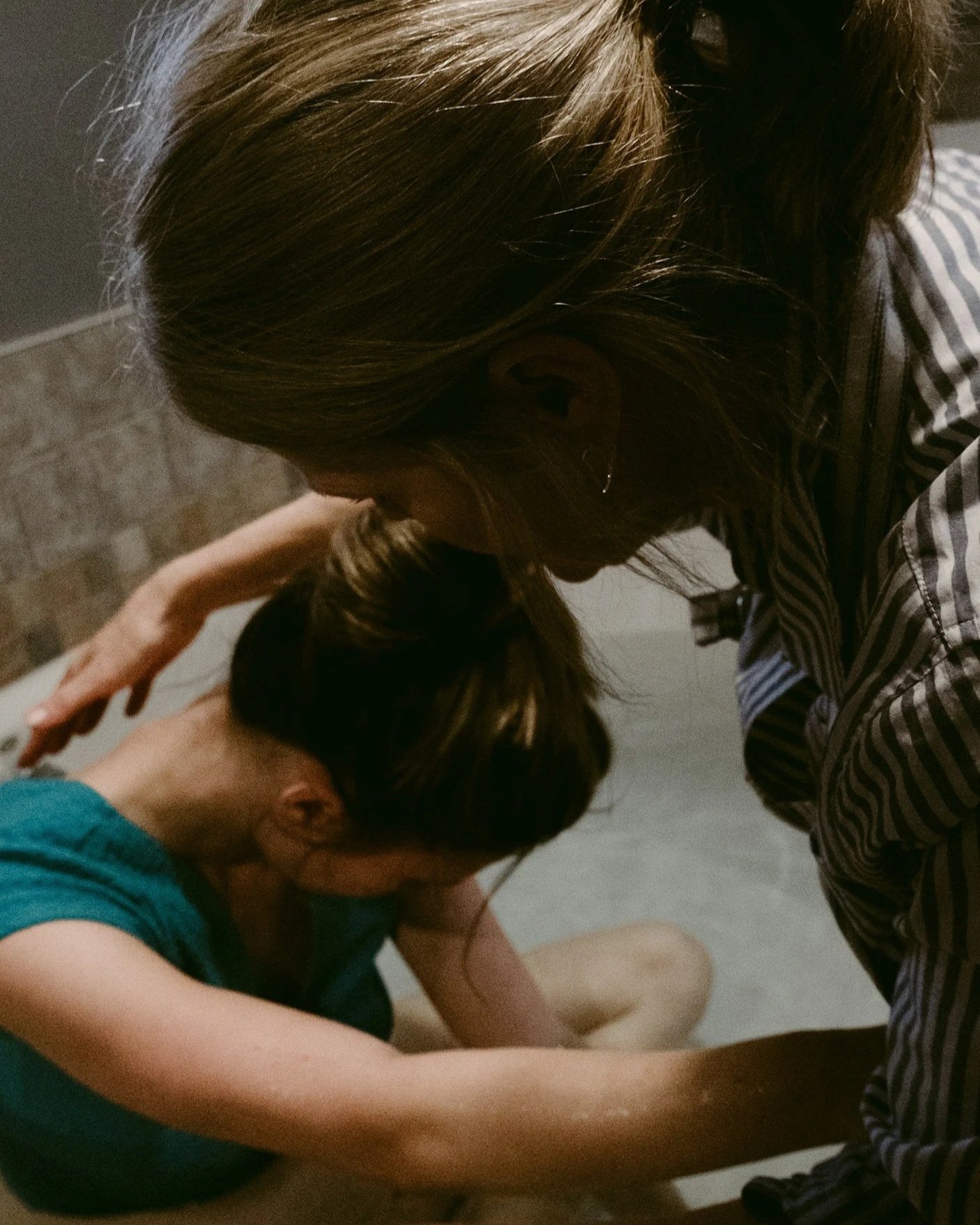
A doula provides continuous, one-on-one emotional, physical, and informational support during your labour and birth. While a birth educator teaches you skills ahead of time, a doula is actually there with you on the day, helping you apply everything in real-time.
What a birth doula provides:
Continuous presence throughout your labour (not just check-ins like hospital midwives)
Physical comfort measures (massage, counter-pressure, positioning support)
Emotional reassurance and encouragement
Help with breathing and relaxation techniques
Support for your birth partner (so they can take breaks, eat, and be present without feeling overwhelmed)
Advocacy and help with communication with your medical team
Assistance with decision-making in the moment
Usually 1-2 prenatal visits to discuss your birth preferences
Postpartum visit to debrief the birth
A doula doesn't replace your midwife or obstetrician (they provide the medical care), and they don't replace your partner (your partner is there for love and connection). A doula fills a unique role: experienced, non-medical support that's focused entirely on you.
The Key Differences:
Timing:
Birth education = weeks or months before labour
Doula support = during labour (plus a few visits before and after)
Focus:
Birth education = teaching knowledge (for mum and partner) and skills
Doula support = applying those skills and providing hands-on support
Who benefits:
Birth education = both you and your partner learn together
Doula support = mainly supports the birthing person, but also supports the partner
Format:
Birth education = usually a series of classes (group or private)
Doula support = one-on-one personalised care during labour
Cost:
Birth education = typically $300-$600 for a comprehensive course on the Central Coast
Doula support = typically $1,500-$3,500 (varies by experience and services included)
So Which Do You Need?
You might prioritize birth education if:
This is your first baby and you don't know what to expect
Your partner feels anxious or unsure about how to support you
You want to understand all your options for pain relief and interventions
You're on a tighter budget and need to choose one service
You want both you and your partner to feel confident and prepared
You're planning a hospital birth where you'll have midwife support
You want to learn about optimal positioning and biomechanics
You feel prepared emotionally but need practical knowledge
Birth education gives you the foundation. Even if you don't hire a doula, comprehensive birth education means you and your partner will have the knowledge and skills to navigate labour together.
You might prioritise doula support if:
You've already done birth education (hospital classes or previously)
Your partner is unavailable, unsupportive, or very anxious about birth
You're planning a hospital birth and want continuous support
You had a previous traumatic birth and want extra emotional support
You're anxious about labour and want experienced reassurance
You want someone there who's seen hundreds of births and can normalize what's happening
You're concerned about being alone during shift changes
You want someone to help advocate for your preferences
Doulas are particularly valuable if you're feeling vulnerable or need that extra layer of emotional and physical support that goes beyond what your partner or hospital staff can provide.
Do I Really Need Both?
This is the question I hear most often, and I understand why. Investing in both birth education AND doula support can feel like a lot, both financially and in terms of time and planning.
Here's my honest answer after a decade in this work: You don't NEED both, but having both is incredibly powerful.
Think of it this way:
Birth education alone can absolutely prepare you for a positive birth experience
Doula support alone (especially if you've had previous births or done your own research) can be wonderful
But birth education PLUS doula support? That's the dream team
The ideal scenario?
Both. Birth education first, then doula support for the birth itself. Here's why:
When you attend comprehensive birth education classes, you and your partner learn the foundations—what labour looks like, how to cope, what your options are. Then, when you hire a doula, you're not starting from zero. Your doula can build on that foundation, personalizing support to your specific needs during labour.
Many of my Birthability clients do exactly this—they take my birth education course, and then some also book doula support for the birth. They're prepared with knowledge, and they have skilled hands-on support when labour begins.
What About Hospital Classes?
Many Central Coast hospitals offer free or low-cost birth classes. These can be helpful, particularly for hospital-specific information (where to park, when to come in, hospital policies). However, hospital classes are often shorter, focus heavily on medical interventions, and don't spend as much time on coping skills, positioning, or partner support techniques.
Private birth education tends to be more comprehensive, evidence-based, and focused on empowering you to have the birth you want—whether that includes interventions or not.
Questions to Ask Yourself
Still not sure what you need? Consider these questions:
How confident do I feel about what happens during labour?
How confident does my partner feel about supporting me?
Do I have a previous birth experience that affects how I'm feeling?
What's my budget for birth preparation and support?
What are my biggest fears or concerns about birth?
Do I have strong preferences about my birth that I'll need help advocating for?
If you answered that you or your partner feel unprepared, or you're not sure what labour involves, start with education. If you answered that you're anxious, have birth trauma, or want continuous support, consider a doula. If multiple things resonate, consider both.
My Recommendation as Both an Educator and Doula
After a decade of working with Central Coast families, here's what I've observed: Birth education is the foundation that every expectant parent deserves. The families who attend comprehensive birth education classes (whether they hire a doula or not) consistently feel more confident, make more informed decisions, and have partners who are actively engaged in the birth.
Doula support is wonderful and valuable, but it's most effective when you already have a knowledge base. If I had to choose one service to recommend to every family, it would be quality birth education.
That said, there are situations where a doula is invaluable—particularly if you're birthing alone, had a previous trauma, or are particularly anxious about labour.
What Makes Quality Birth Education?
Not all birth education is created equal. Look for classes that:
Cover physiology and biomechanics (not just hospital procedures)
Teach practical coping techniques you can practice
Include comprehensive partner preparation
Discuss evidence-based information about interventions
Address emotional preparation, not just physical
Give you time to ask questions and discuss concerns
Are taught by someone with extensive birth experience
At Birthability, birth education is my primary focus this year. I teach the biomechanics of birth, optimal maternal positioning, practical skills for managing labour intensity, and comprehensive partner support - everything you need to feel prepared and confident for your Central Coast birth.
Making Your Decision
There's no wrong choice here. Whether you choose birth education, doula support, or both, you're taking active steps to prepare for one of the most significant experiences of your life. That preparation matters.
If budget is a concern, I always recommend prioritising education. The knowledge and skills you gain will serve you regardless of how your birth unfolds. You can't predict what will happen on the day, but you can be prepared to handle whatever comes with confidence and informed decision-making.
Ready to Get Started?
If you're on the Central Coast and want comprehensive, evidence-based birth education that will prepare both you and your partner for birth, I'd love to talk with you about my upcoming classes at Birthability. We cover everything from optimal positioning to pain management to partner support, all grounded in 10 years of experience supporting births.
And if you decide you'd also like doula support, we can discuss that too—though my focus this year is on helping more families through education.
Contact Birthability today to learn about upcoming Central Coast birth education classes and how we can help you feel prepared, confident, and excited for your baby's birth.
